
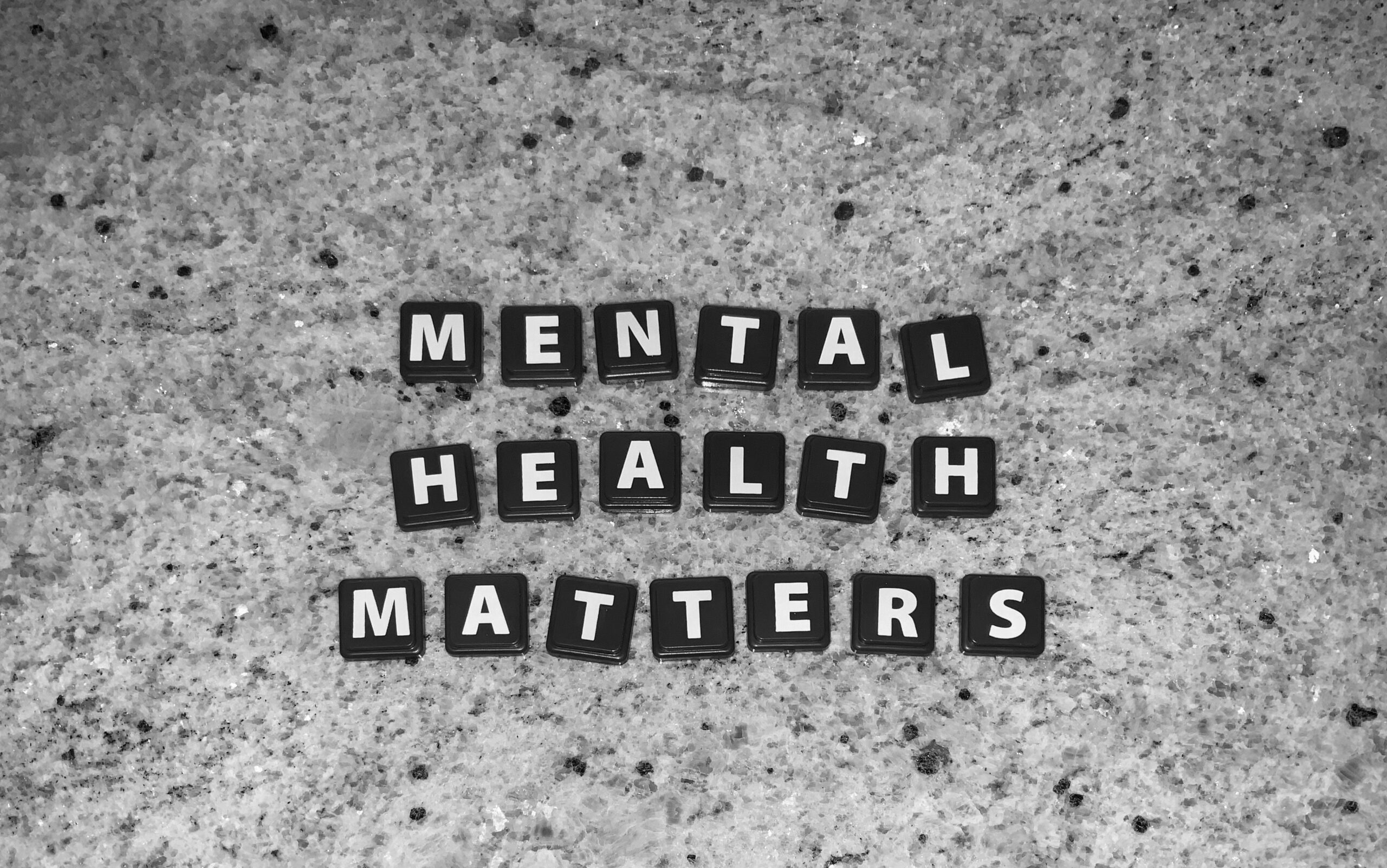
May is Mental Health Awareness Month, and this year’s theme from Mental Health America says it all: More Good Days, Together.
That phrase stopped me in my tracks. Because whether you are deep in your recovery journey or still trying to find the door to begin one, more good days is exactly what you are looking for. And the word together is the part we have too often left out. Let me speak to both of you today.
If You Are Not in Recovery Yet
Maybe you are exhausted. Maybe you have been carrying something heavy for so long that you have forgotten what it feels like not to. Maybe the idea of “recovery” sounds like a word that belongs to someone else, not to you.
Here is what I want you to know.
One in five people experiences a mental health condition every year. But five in five people are managing their mental health every single day. That means there is no “us” and “them.” There is only us.
A mental health issue is not a character flaw. It is not weakness. Whether you think of what you are experiencing as a medical condition, a psychiatric disability, mental distress, or simply a deeply personal struggle, what you are going through is real. It deserves compassion, care, and real support. You would not tell someone with a broken leg to just push through it. The same logic applies here, no matter what name you give your experience.
Consumer advocacy groups this May are pushing hard for something called Whole Person Care. That means treating mental health alongside physical health, housing, financial stress, and substance use as one connected picture of a person’s life. You are not your diagnosis. You are a whole person, and you deserve care that sees all of you.
If you have not yet reached out for help, you are not behind. You are not a failure. The hardest step is often just admitting to yourself that you deserve support.
You do.
A good day might not look like what you imagine right now. For some people, a good day is as simple as making it through each moment, good or bad, as it comes. That is enough. That counts. And there are people who want to walk alongside you toward more of those days.
One practical step you can take right now: free, confidential online mental health screening tools are available to help you check in on how you are doing and connect you with the right resources. You do not have to figure it out alone. Visit mhanational.org to get started.
If You Are in Recovery
You already know something most people do not yet understand: recovery is not a straight line. It is not a destination you arrive at and stay forever. It is something you practice, build, and choose, sometimes moment by moment.
A good day in recovery might look like having enough energy to show up, feeling a little more grounded, and having at least one moment of genuine connection. On the hard days, that is everything.
You also carry something powerful: your story. When you talk openly about what you have been through, you become the reason someone else realizes they do not have to face this alone. You may never know whose life you change simply by being honest about your own.
This is not a small thing. It is the whole thing.
Consumer groups this May are placing a strong emphasis on peer support and lived experience. There is a growing, well-deserved recognition that people who have walked this road themselves are among the most powerful healing forces in any community. Not in spite of what they have been through, but because of it. The peer support movement was built on exactly this truth, and it is getting the national attention it has always deserved.
Your Rights Matter Too
One voice worth hearing this May is MindFreedom International, a consumer-led organization that fights for the rights and personal agency of people living with mental health conditions. They are shining a light on issues like coercive guardianship and the right of individuals to make their own choices about their care. Recovery means different things to different people, and every person has the right to define it for themselves. In a time when federal support for mental health is shrinking and shifting, consumer-led organizations like MindFreedom matter more than ever.
What We Can All Do This May
Consumer groups in 2026 are moving beyond simple awareness. The message is clear: awareness is a starting point, not a finish line. Real change comes from action.
Here are three things anyone can do right now:
• Start a real conversation. Ask someone how they are really doing, and then actually listen.
• Share your story, even a small part of it. Every voice that speaks up helps someone else feel less alone.
• If you are struggling, reach out. You can call or text 988, the Suicide and Crisis Lifeline, any time, day or night.
The Bottom Line
The message from mental health consumer groups this May is simple: there is no health without mental health. Support should be as accessible and routine as going to your doctor for a physical. Mental health touches every part of life. How you sleep, how you work, how you love, how you see yourself.
Whether you are just beginning to consider getting help or you have been on this road for years, you belong in this conversation. Your good days are not behind you. They are ahead of you, and there are people ready to help you get there.
Andrea Schmook is the author of The Undoing: Breaking Free from the Programming That Trapped My Mind, a memoir about mental health recovery, the power of lived experience, and the spiritual and clinical paths to healing. Learn more at AndreaSchmook.com.
